
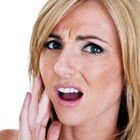
 Temporomandibular disorders (TMDs) are a group of conditions affecting the temporomandibular joints, chewing muscles and related structures. “TMJ” is the name of the jaw joint; “TMD” refers to the disorders. More than one TMD can occur at the same time, and jaw or facial pain can have causes other than TMD. [1]
Medically reviewed by Dr. Walter Kostrzewski, DMD
Dr. Kostrzewski has more than two decades of experience in dentistry and reviews the dental information published by ACE Dental Resource.
What are TMDs?
TMDs are not a single disease. NIDCR groups them broadly into disorders of the jaw joints, disorders of the chewing muscles, and headaches associated with TMD. Causes are often multifactorial rather than traceable to one “bad bite” or one structural problem. [1][2]
| Pattern | Examples | Typical features |
|---|---|---|
| Joint-related | Disc disorders, inflammation or degenerative joint conditions | Joint pain, painful movement, stiffness or locking. |
| Muscle-related | Myalgia and related muscle pain | Tender chewing muscles, jaw fatigue or pain with function. |
| Headache associated with TMD | Headache attributed to TMD | Headache occurring in a pattern linked to jaw-muscle or joint symptoms. |
TMJ symptoms and warning signs
Common symptoms include jaw or chewing-muscle pain, pain that spreads into the face or neck, stiffness, limited opening, locking, and painful clicking, popping or grating. A change in how the teeth meet can also occur. [1]
Clicking alone does not automatically mean a disorder. Painless clicking or popping is common and generally does not require treatment. [1]
What causes TMD?
TMDs can arise from several interacting factors, and in many patients the exact cause is not clear. Joint injury, arthritis, muscle-related pain, stress and pain-processing factors can contribute. Research does not support treating “malocclusion” as a universal cause of TMD. [1][2]
How is TMD diagnosed?
There is no single universally accepted test that diagnoses every TMD. A clinician usually starts with a detailed history and examination of the jaw, face, neck and chewing muscles, including movement, tenderness, sounds and locking. Imaging such as dental radiographs, MRI or CT may be appropriate when the clinical question requires it. Other causes of facial or jaw pain may need to be ruled out. [1]
First-line TMD treatment: start conservatively
Many TMD symptoms improve without invasive treatment. NIDCR recommends starting with simple measures when appropriate, such as softer foods for a limited period, heat or cold, gentle jaw exercises, reducing clenching or gum chewing, and short-term over-the-counter pain medication when medically appropriate. [1]
Physical therapy and self-management can also be useful. A 2025 systematic review and meta-analysis of randomized trials found meaningful short-term pain reductions across conservative and minimally invasive approaches, while noting heterogeneity among treatments and studies. [3]
Do nightguards or occlusal splints help?
Intraoral appliances may be considered for selected patients, particularly when tooth protection or habit management is part of the treatment plan. However, evidence does not show that occlusal splints are universally superior to other conservative therapies. A 2025 meta-analysis of 18 randomized trials found no significant overall superiority of occlusal splints over other conservative treatments for pain or mouth opening. [4]
If an appliance causes new or worsening pain, it should be reviewed by the prescribing clinician. NIDCR specifically advises caution with appliances intended to permanently change the bite. [1]
When are injections or procedures considered?
More invasive treatments may be considered when symptoms persist despite appropriate conservative care or when a specific joint problem warrants escalation. Arthrocentesis and arthroscopy are different procedures and are not interchangeable. A 2024 systematic review comparing arthroscopy with arthrocentesis and conservative treatment found that outcomes varied by comparison and outcome measure, reinforcing the need for case-specific decision-making. [5]
Open-joint surgery and TMJ implants involve permanent or major changes and are generally reserved for selected severe joint disease after less invasive approaches have been considered. NIDCR recommends discussing alternatives and risks and considering a second opinion before irreversible treatment. [1]
What about Botox, bite adjustment and laser treatment?
Botulinum toxin: Evidence remains uncertain for TMD pain, and NIDCR notes that results have been mixed. [1]
Permanent bite changes: Grinding teeth, placing crowns or using orthodontics specifically to treat TMD is not supported as a routine treatment, and irreversible occlusal changes can cause harm. [1]
Low-level laser / photobiomodulation: This remains an area of research rather than a universal TMD treatment. NIDCR identifies ongoing research into noninvasive low-level laser therapy, while newer trials and reviews continue to evaluate which patients and protocols may benefit. [2]
When should you see a dentist or doctor?
- Jaw pain persists, returns frequently or interferes with eating or speaking.
- Your jaw locks open or closed or movement becomes increasingly limited.
- You have significant swelling, trauma or rapidly worsening symptoms.
- You have facial pain that does not have an obvious dental explanation.
- You are considering an irreversible bite or joint procedure.
Questions to ask about TMD treatment
- What type of TMD do you think I have?
- What other causes of my jaw or facial pain need to be ruled out?
- What can we try before an appliance, injection or procedure?
- Is the proposed treatment reversible?
- What evidence supports it for my specific TMD?
- What should make me stop treatment or return for reassessment?
Related ACE Dental Resource guides
Sources
- NIDCR — TMD: Temporomandibular Disorders
- NIDCR — Temporomandibular Disorders: Research Investments & Advances, reviewed January 2026
- Systematic review and meta-analysis of conservative and minimally invasive TMD interventions
- Meta-analysis of occlusal splints versus other conservative TMD therapies
- Systematic review and meta-analysis of arthroscopy, arthrocentesis and conservative TMD treatment