Originally written by Dr. Lance Timmerman, DMD
A cosmetic dentist can help improve the appearance of teeth, but choosing one is about more than finding a practice that advertises veneers or smile makeovers. Cosmetic treatment can involve irreversible changes to natural teeth, so it is worth looking at the dentist’s training, experience, treatment planning, communication and approach to preserving oral health.
This article was originally written by Dr. Lance Timmerman and has been updated with current patient-focused guidance. The goal is not to tell every patient to choose the same type of dentist, but to give you practical questions to ask before committing to cosmetic treatment.
Is Cosmetic Dentistry a Dental Specialty?
Cosmetic dentistry is an area of dental practice rather than one of the dental specialties formally recognized by the American Dental Association. General dentists may provide cosmetic services, while some patients may benefit from consultation with a specialist such as a prosthodontist, depending on the complexity of the case.
The American College of Prosthodontists describes prosthodontists as specialists in restoring and replacing teeth and oral structures, including crowns, bridges, veneers, dentures and dental implants. The important point is to look at the individual dentist’s education and experience rather than assuming that the words “cosmetic dentist” alone establish a particular level of training.
1. Look at Training and Credentials
Ask the dentist where they received their advanced training and how that training relates to the treatment you are considering. Continuing education can be useful, but the name or number of courses is less important than understanding what the dentist is actually trained to do and how often they perform the procedure.
If your treatment is complex, ask whether another dental specialist should be involved. For example, prosthodontists receive advanced specialty training in restoring and replacing teeth and in areas that include esthetic dentistry, crowns, veneers, dentures and implant restorations.
2. Ask About Experience With Cases Like Yours
Experience should be specific to the treatment you need. A dentist who has performed many routine fillings may not have the same experience with a full smile rehabilitation involving multiple veneers, crowns, worn teeth, bite problems or missing teeth.
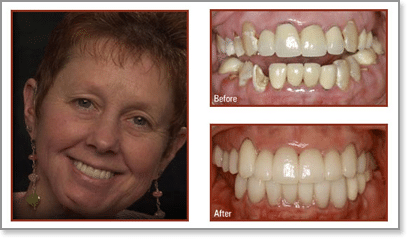
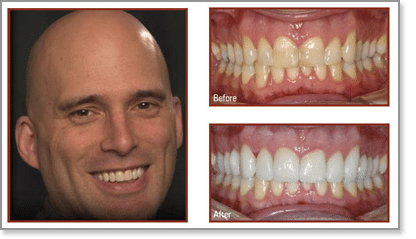
Ask how many similar cases the dentist has treated and whether you can see examples of the dentist’s own work. Before-and-after photographs can be useful, but they should represent actual patients treated by that dentist. Also ask what limitations, complications or maintenance requirements are associated with the treatment.
| Question | Why it matters |
|---|---|
| How many cases like mine have you treated? | Experience is most meaningful when it matches the procedure and complexity of your case. |
| Can I see examples of your own work? | It lets you evaluate the dentist’s typical approach to cases similar to yours. |
| What could go wrong? | A good consultation should include limitations, risks and alternatives—not only expected benefits. |
| What maintenance will I need? | Many cosmetic restorations require ongoing oral hygiene, examinations and eventual maintenance or replacement. |
3. Understand the Treatment Plan Before Treatment Begins
Cosmetic dentistry should start with a diagnosis and a clear discussion of your goals. Depending on the treatment, the dentist may use photographs, digital scans, X-rays, models, diagnostic wax-ups or temporary restorations to plan the result.
Do not be afraid to ask why a particular procedure is being recommended. A change in appearance does not automatically mean that a veneer, crown or other restoration is the best option. Depending on the condition of the teeth, alternatives may include whitening, bonding, orthodontic treatment, enamel-preserving approaches or no treatment at all.
For example, the American College of Prosthodontists notes that veneers can be used to change the appearance of relatively intact teeth, while crowns are used for teeth that require more extensive restoration. The appropriate treatment depends on the condition and function of the individual teeth.
4. Ask How Much Natural Tooth Structure Will Be Removed
This is one of the most important questions to ask before elective cosmetic treatment. Some procedures require preparation of the teeth, and the amount varies according to the treatment and the individual tooth.
Ask your dentist whether the proposed treatment is reversible, how much tooth structure is expected to be removed, and whether a more conservative alternative could achieve an acceptable result. Do not assume that a treatment advertised as “minimally invasive” is appropriate for every patient without an examination.
5. Discuss Function, Bite and Oral Health—not Just Appearance
A cosmetic result is only one part of successful dental treatment. Your dentist should consider the health of your teeth and gums, your bite, existing restorations, tooth wear, clenching or grinding, and any symptoms you already have.
If you have significant tooth wear, missing teeth, extensive restorations or bite concerns, ask how the proposed cosmetic treatment fits into your overall dental plan. In complex cases, a prosthodontist or another specialist may be consulted when appropriate.
6. Ask About Materials and the Dental Laboratory
For restorations such as veneers and crowns, ask what material is being recommended and why. You can also ask which dental laboratory will make the restoration and how the dentist and laboratory communicate about shade, shape, fit and function.
For veneers in particular, the American College of Prosthodontists recommends asking about the dentist’s experience with similar cases, the laboratory used for the restorations and whether the proposed appearance can be previewed before the final restorations are placed.
7. Ask Whether You Can Preview the Proposed Result
Depending on the procedure, your dentist may be able to use temporary restorations, diagnostic wax-ups or digital smile previews to help you understand the proposed result. A preview is not a guarantee of the final result, but it can make conversations about tooth length, shape, color and overall smile design much easier.
8. Understand the Technology—and Its Limits
Digital scanners, photography, CAD/CAM systems, digital treatment planning and other technologies can be useful parts of modern dentistry. But technology by itself does not determine whether treatment is appropriate or whether the final result will be successful.
Instead of simply asking whether a practice has the newest equipment, ask what technology will actually be used in your treatment and how it improves diagnosis, planning, communication, fit or patient care.
9. Make Sure You Can Communicate What You Want
Your dentist should understand what you like and dislike about your smile. Bring photographs or examples if they help explain your goals. Discuss tooth color, shape, length, proportions and how natural or noticeable you want the result to look.
At the same time, remember that your dentist may identify functional or health considerations that affect what is safely achievable. The best treatment discussion is a two-way conversation: you explain your goals, and the dentist explains what is clinically appropriate, what is possible and what the alternatives are.
10. Get the Full Cost and Maintenance Plan
Ask for a written treatment plan that explains the procedures being recommended, the estimated cost, what is included and what may cost extra. Ask whether temporary restorations, laboratory fees, follow-up appointments or future repairs are included.
Also ask how long the proposed restorations are expected to last and what could cause them to need repair or replacement. For example, the American College of Prosthodontists notes that porcelain veneers commonly last about 5–10 years, although individual longevity varies with the patient, restoration, habits and care.
Questions to Ask at Your Cosmetic Dentistry Consultation
| Topic | Questions to ask |
|---|---|
| Diagnosis | What problems are you treating, and are there any underlying dental health issues I should address first? |
| Options | What are my alternatives, including a less invasive option or no treatment? |
| Experience | How many cases similar to mine have you completed? |
| Tooth preparation | How much natural tooth structure will need to be removed? |
| Materials | What material do you recommend, and why is it appropriate for my teeth? |
| Planning | Can I see a diagnostic wax-up, temporary result or digital preview? |
| Function | How will this treatment affect my bite, chewing and existing restorations? |
| Risks | What are the possible complications and what happens if I am unhappy with the result? |
| Maintenance | What care, examinations, repairs or replacements should I expect? |
| Cost | What is the total estimated cost, and what is included? |
About the Original Author
Dr. Lance Timmerman, DMD, originally wrote this article for ACE Dental Resource. His current professional profile identifies him as a dentist in Tukwila, Washington, with a practice focused in areas including cosmetic dentistry and restorative care.
Before You Choose a Cosmetic Dentist
Choosing a cosmetic dentist is ultimately about matching your needs with the dentist’s training, experience and treatment approach. Look beyond marketing claims. Ask to see relevant cases, understand the diagnosis and alternatives, find out how much tooth structure will be altered, and make sure you understand the risks, costs and long-term maintenance before treatment begins.
For more information about specific cosmetic treatments, see our guides to cosmetic dentistry, dental veneers, dental crowns, orthodontics and dental prices.
Sources and Further Reading
- American Dental Association — Specialty Referrals
- American Dental Association — Veracity and professional standards
- American College of Prosthodontists — About Prosthodontists
- American College of Prosthodontists — Dental Veneers FAQ
- American College of Prosthodontists — Caps and Crowns
Editorial note: Cosmetic dental treatment is individualized. This article provides general educational information and does not replace an examination or treatment plan from a qualified dental professional.