
Medically reviewed by Dr. Walter Kostrzewski, DMD
Dr. Kostrzewski has more than two decades of experience in dentistry and reviews the dental information published by ACE Dental Resource.
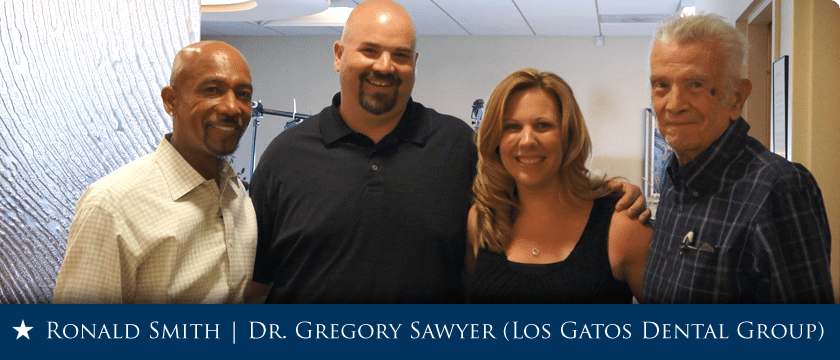
Ronald Smith’s dental case is a historical A Soldier’s Smile case involving extensive tooth loss and planned full dentures. The original account was published on ACE Dental Resource in 2012. This updated version preserves the historical case while adding current information about complete dentures and the treatment process.
Patient and Treatment
Patient: Ronald Smith
ACE dentist providing treatment: Dr. Gregory Sawyer (Los Gatos Dental Group)
Treatment described: Full dentures
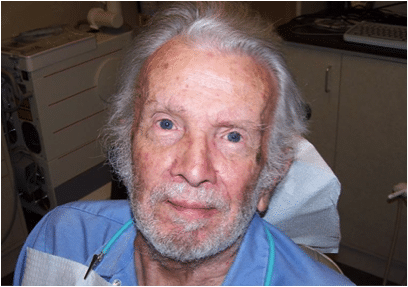
The original case described Ronald as an older Army veteran with extensive dental disease affecting his remaining teeth. It reported that all 27 remaining teeth were severely compromised and that full dentures were planned for both the upper and lower arches.
The original story also described a planned heart-valve procedure and the need to address his dental condition beforehand. That is historical information from the original case, not a current treatment recommendation. Decisions about dental treatment before cardiac procedures should be coordinated between the patient’s dentist and medical team.
Why Full Dentures May Be Considered
Complete dentures are removable replacements for all teeth in the upper or lower arch. They are considered when the natural teeth cannot be predictably retained or when another tooth-replacement option is not appropriate. A dentist evaluates the remaining teeth, gums, bone, bite, general health, and the patient’s priorities before recommending a treatment plan.
In cases of extensive decay or periodontal disease, treatment may involve a combination of tooth removal, healing, and denture fabrication. The exact sequence depends on the clinical findings.
What Complete Dentures Can Do
| Goal | Role of complete dentures |
|---|---|
| Replace missing teeth | Restores an entire upper or lower arch when natural teeth are absent. |
| Chewing | Provides an artificial chewing surface, although dentures do not function exactly like natural teeth. |
| Speech | Can help restore speech affected by extensive tooth loss, with an adjustment period after fitting. |
| Appearance | Replaces missing teeth and can restore some of the support normally provided by teeth. |
Adjusting to New Dentures
New dentures can feel bulky or unfamiliar at first. Patients may need time to become comfortable speaking and eating with them. Sore spots can occur and may require adjustments by the dentist. Dentures can also become less stable over time as the gums and underlying jawbone change shape.
Good denture care includes regular cleaning and following the dentist’s instructions about when to wear and remove the dentures. The gums, tongue, palate, and any remaining oral tissues should also be cared for.
Alternatives and Other Options
Complete dentures are not the only way to replace missing teeth. Depending on the patient’s anatomy and health, options can include implant-supported dentures or other implant restorations. These alternatives require an individual evaluation and may have different costs, surgical requirements, maintenance needs, and expected outcomes.
Read our Dentures guide for more information, or see our Dental Implants page for another tooth-replacement option. Our dental prices information provides additional cost context.
About This Historical Case
The patient details and medical circumstances on this page describe the original case as it was published. They should not be treated as current medical information about the patient. Modern treatment planning should be based on an examination and communication between the patient’s dental and medical professionals when other health conditions are involved.
Sources and Further Reading
- American College of Prosthodontists: Dentures FAQs
- American College of Prosthodontists: Dentures
- NHS: Dentures